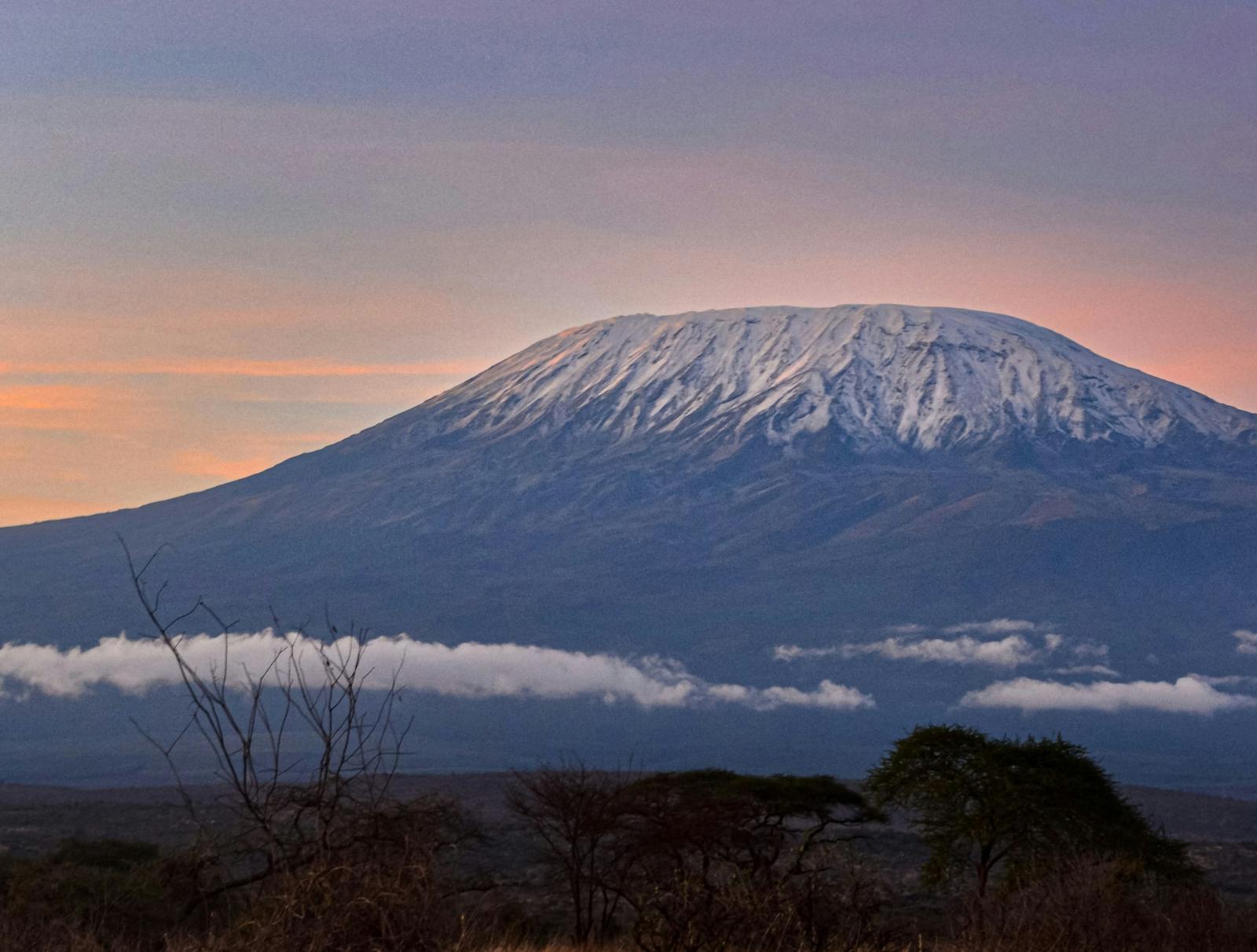
Climbing Kilimanjaro: Seven routes to the Roof of Africa
Real trail maps, honest success rates and the best months to go: an independent guide to choosing your way up Africa’s highest mountain.
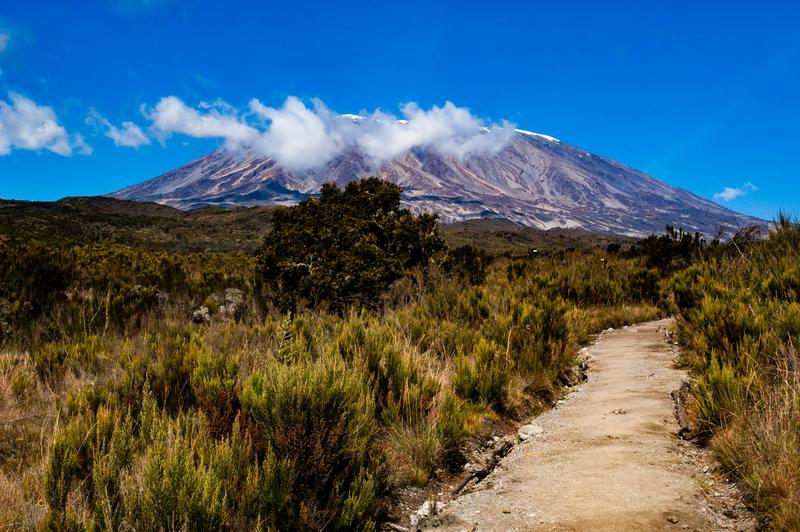
Photo: Edyta Michalska / Unsplash
Real terrain, in 3D: Fly over the mountain
Orbit Kibo, trace all seven routes across the slopes and see where every camp sits. Our 3D model is built from real elevation data, and it only loads when you ask for it.
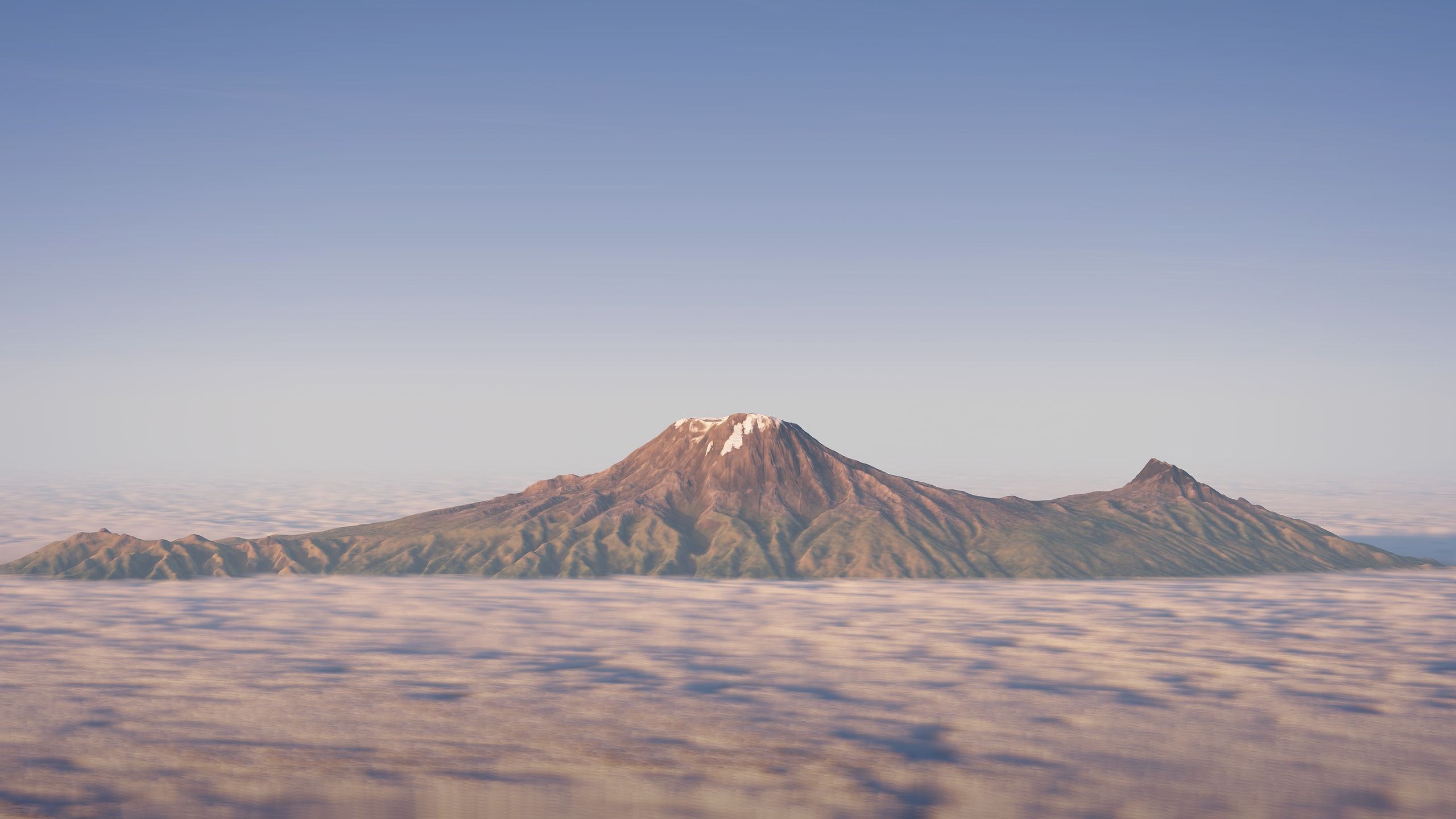
Elevation: SRTM (NASA) · Trails: OpenStreetMap · Vertical scale exaggerated 1.5×
Kilimanjaro at a glance: Africa’s highest peak is a walk, not a climb
No ropes, no ice axes, no mountaineering experience. Just time, good boots and the right route.
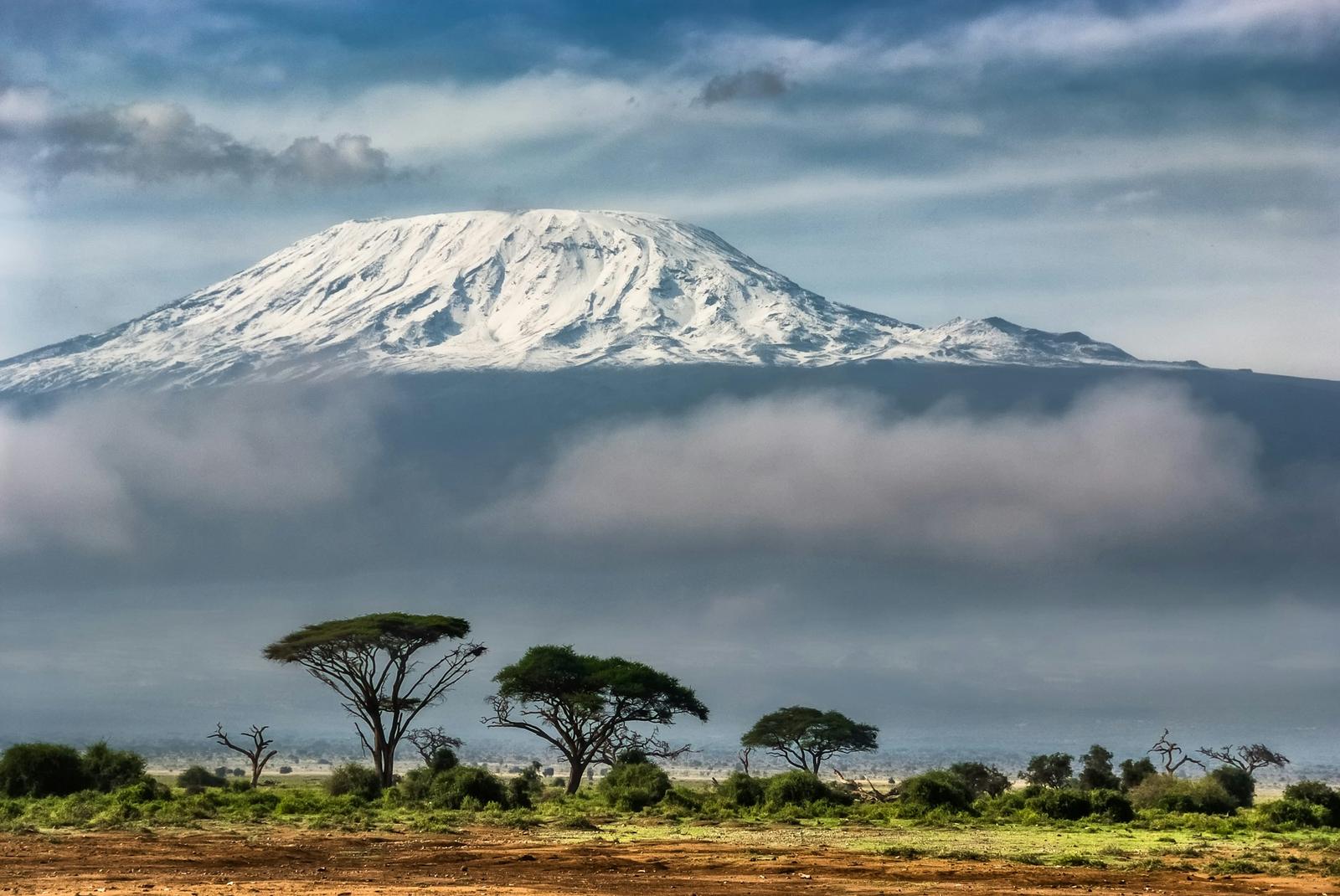
Kilimanjaro rises alone from the plains of northern Tanzania, some 4,900 m above the surrounding savanna, to Uhuru Peak at 5,895 m: the highest point in Africa and the tallest free-standing mountain on Earth. Every route to the top is a trek, which is why around 50,000 people set out for the summit each year.
What makes it hard is altitude. At the top, every breath holds about half the oxygen of sea level, so the route you choose and the days you give it matter more than raw fitness. There are seven official routes, each crossing five climate zones, from farmland and rainforest to the arctic summit, in six to nine days. Choose well, walk “pole pole” (slowly, slowly), and you have a real chance of watching the sunrise from the Roof of Africa.
The seven routes: Seven ways up, one summit
Every route ends on the same frozen crater rim. What differs is the journey: how many days you take, how fast you gain height, how many people share the trail and what you see along the way.
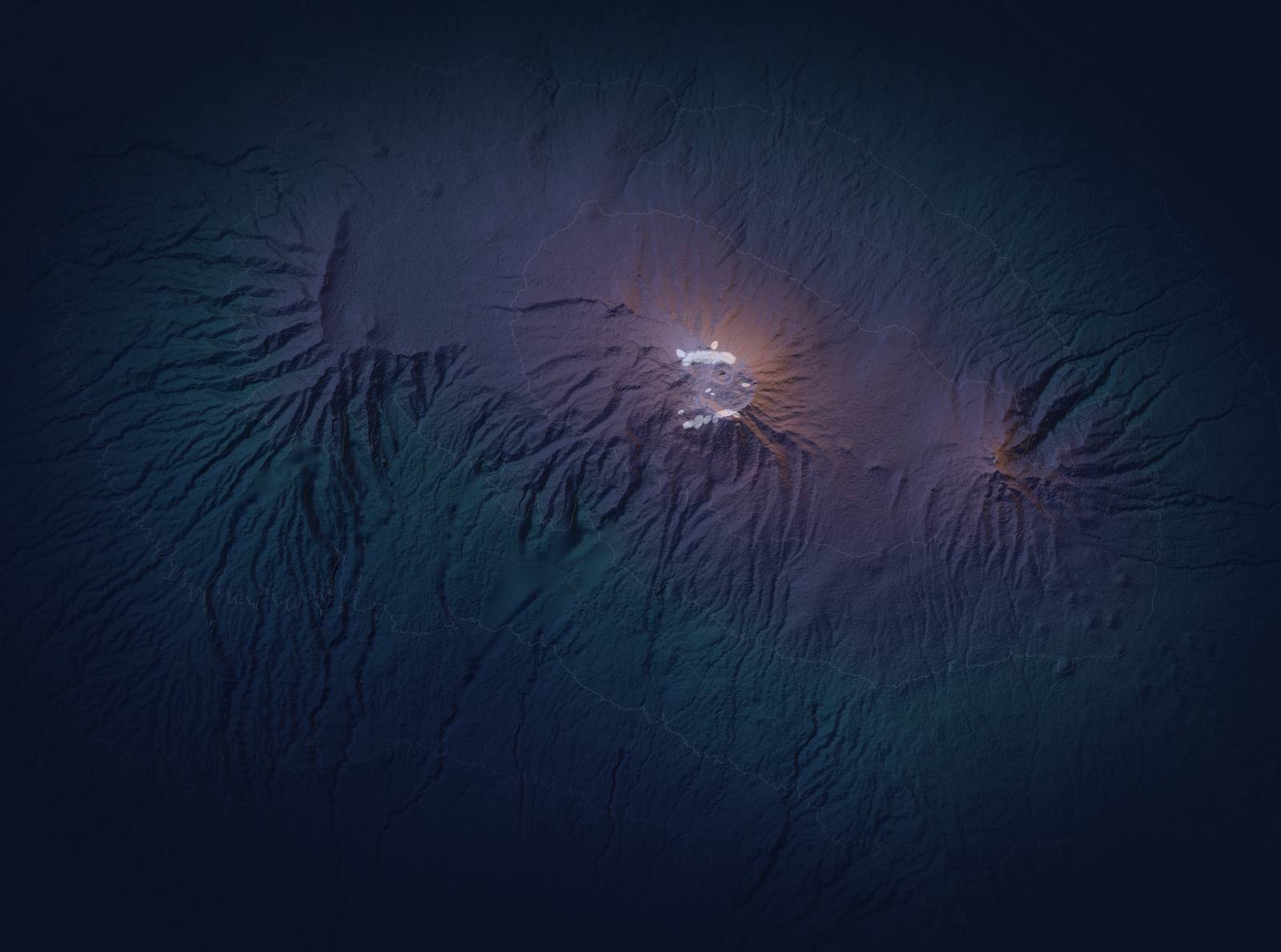
Point at a route to trace it on the map
Machame
Whiskey route
Most scenic in a week
Rainforest, the Shira Plateau, Lava Tower and the Barranco Wall: the most varied week on the mountain, and the busiest.
- Summit success
- ~80–85%
- Difficulty
Lemosho
Best all-rounder
A quiet start in remote western forest and a long, gradual climb across the Shira Plateau give excellent acclimatization.
- Summit success
- ~85–90%
- Difficulty
Marangu
Coca-Cola route
Sleep in huts
The only route with bunk huts, on a steady trail up the south-east side. Gentle underfoot, but less time to adapt.
- Summit success
- ~55–65%
- Difficulty
Rongai
Best in the rainy season
The only northern approach, near the Kenyan border: drier in the rains, uncrowded, with a night at Mawenzi Tarn.
- Summit success
- ~75–80%
- Difficulty
Northern Circuit
The Grand Traverse
Highest summit success
Nine days circling the mountain’s wild north side. The longest route, the fewest people and the best summit odds.
- Summit success
- ~90–95%
- Difficulty
Umbwe
Steep and fast
A steep ridge straight up through the forest to Barranco. Short and spectacular, best for experienced, acclimatized trekkers.
- Summit success
- ~50–65%
- Difficulty
Shira
Start high
Starts by vehicle high on the Shira Plateau, then joins the southern circuit. Easy early days, but a fast first gain in altitude.
- Summit success
- ~70–80%
- Difficulty
Summit success: approximate ranges that operators quote for each route’s standard itinerary. There is no official per-route statistic, so we keep them conservative.
Still not sure?
Answer five quick questions about your days, priorities and experience, and get your best-fit route.
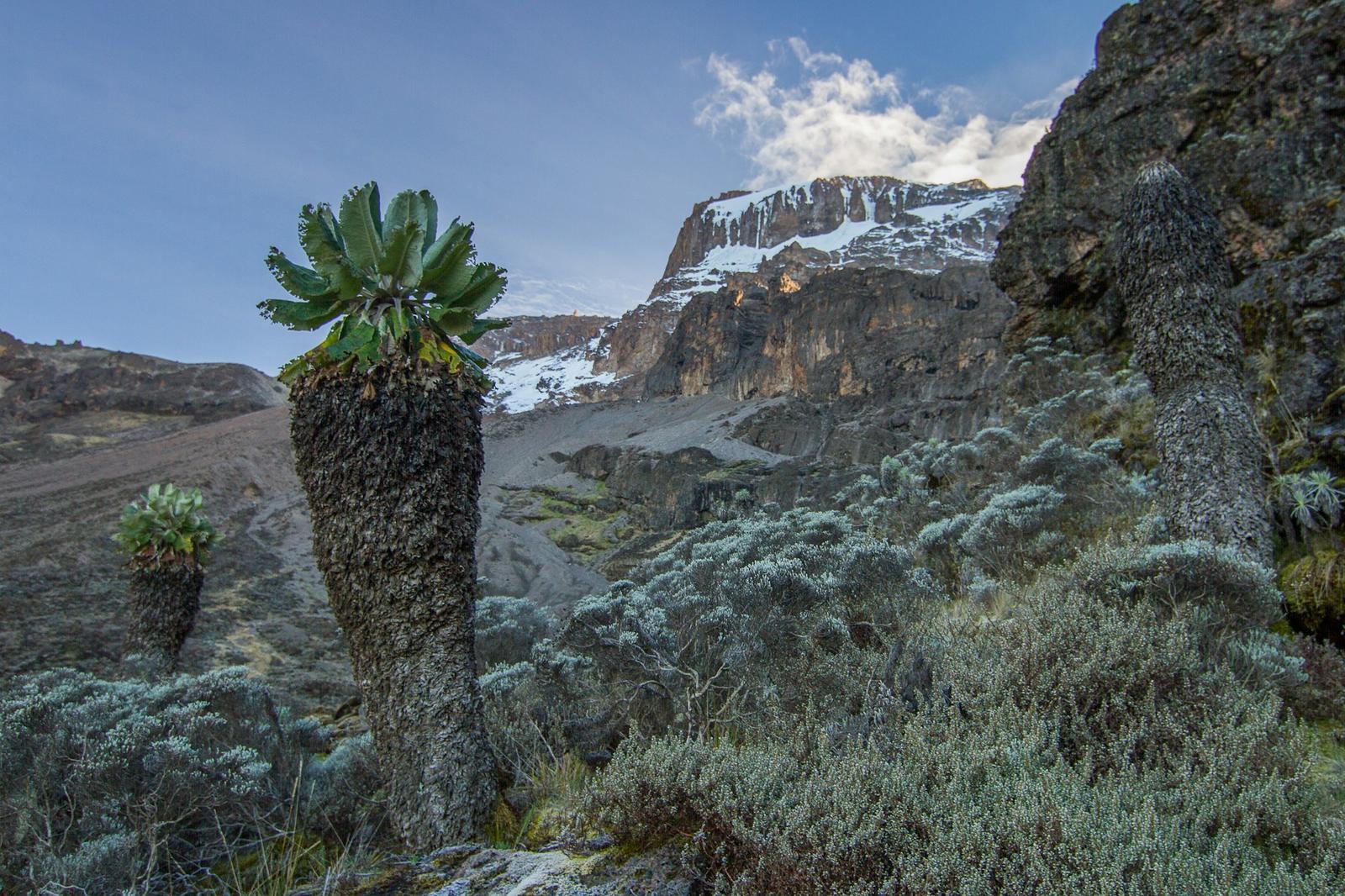
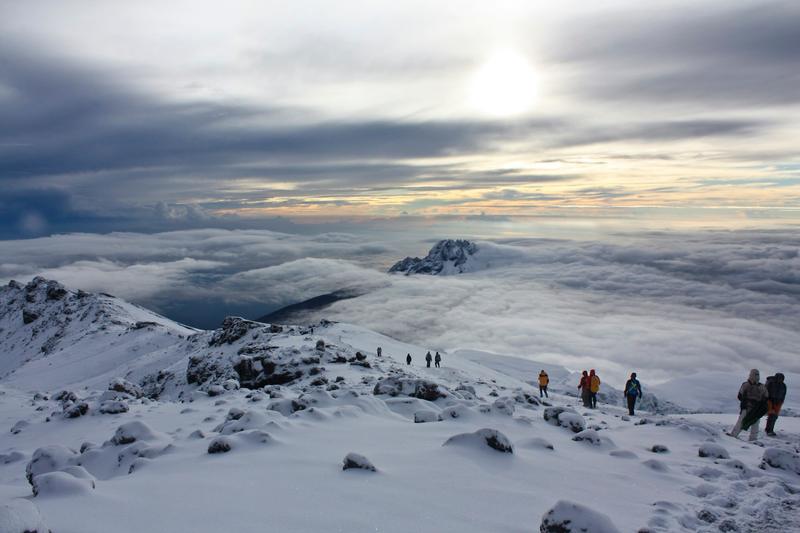
Photo: Twende Africa Tours / Unsplash
Climate zones: Five worlds in one climb
Climbing Kilimanjaro is like walking from the equator to the Arctic in a week. Each band of the mountain has its own plants, weather and rhythm, and on the way to the top you pass through all five.
800–1,800 m
Farmland & lower slopes
Coffee, bananas and villages on the fertile foothills
1,800–2,800 m
Montane rainforest
Mossy giants, colobus monkeys and dripping mist
2,800–4,000 m
Heath & moorland
Giant heathers, groundsels and huge open skies
4,000–5,000 m
Alpine desert
Bare scree and lava under fierce sun and frosty nights
5,000–5,895 m
Arctic summit
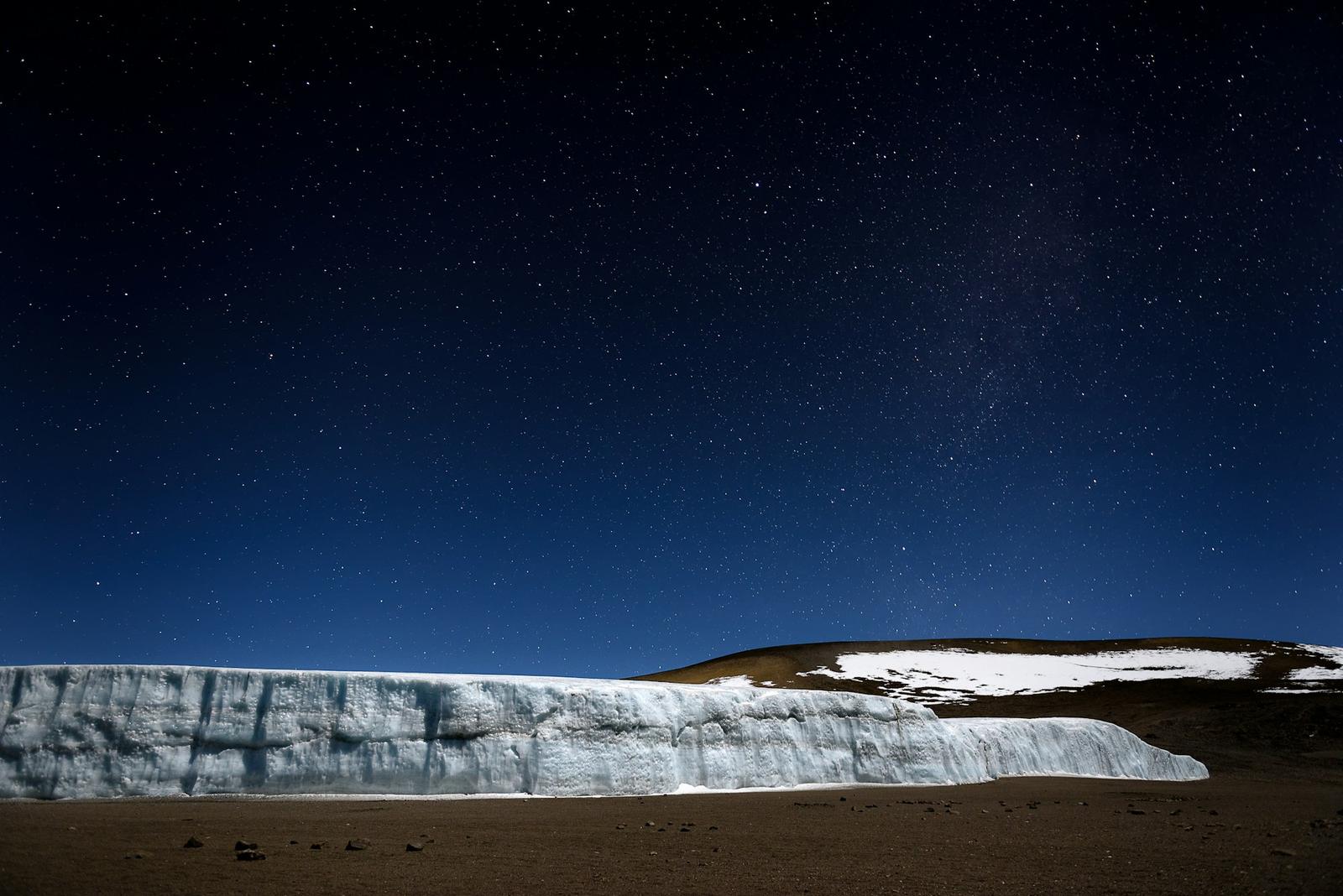
Thin air, glaciers and the crater rim at 5,895 m
Best time to climb: Two dry seasons, two windows
Kilimanjaro sits just south of the equator, so instead of summer and winter it has two dry seasons and two rainy ones. You can climb all year, but some months are much kinder than others.
- January: Excellent, Dry season
- February: Excellent, Dry season
- March: Good, Shoulder
- April: Poor, Long rains
- May: Poor, Long rains
- June: Very good, Dry season
- July: Excellent, Dry season
- August: Excellent, Dry season
- September: Excellent, Dry season
- October: Very good, Dry season
- November: Fair, Short rains
- December: Good, Shoulder
- Poor
- Fair
- Good
- Very good
- Excellent
Best windows: January–February and June–October
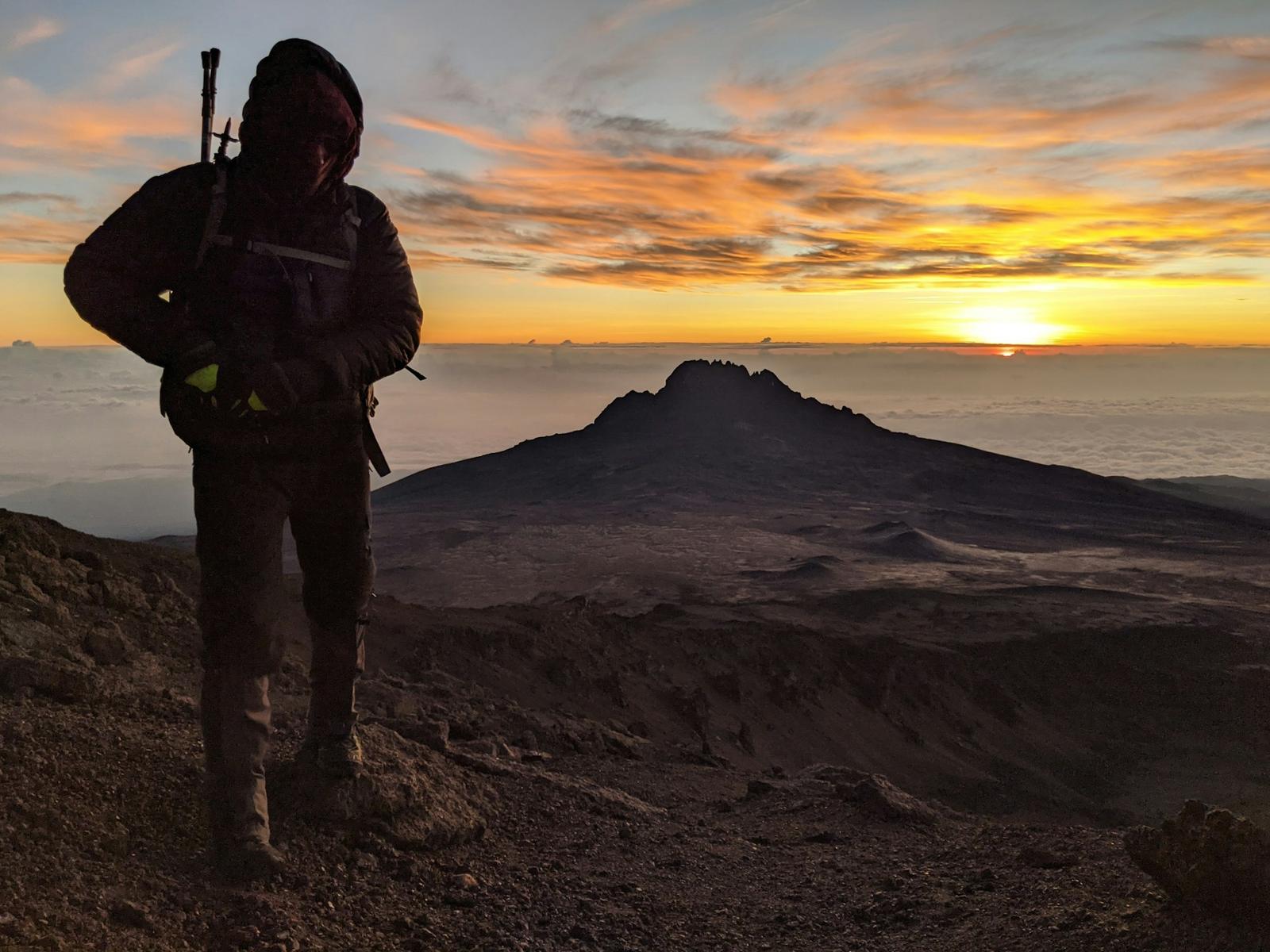
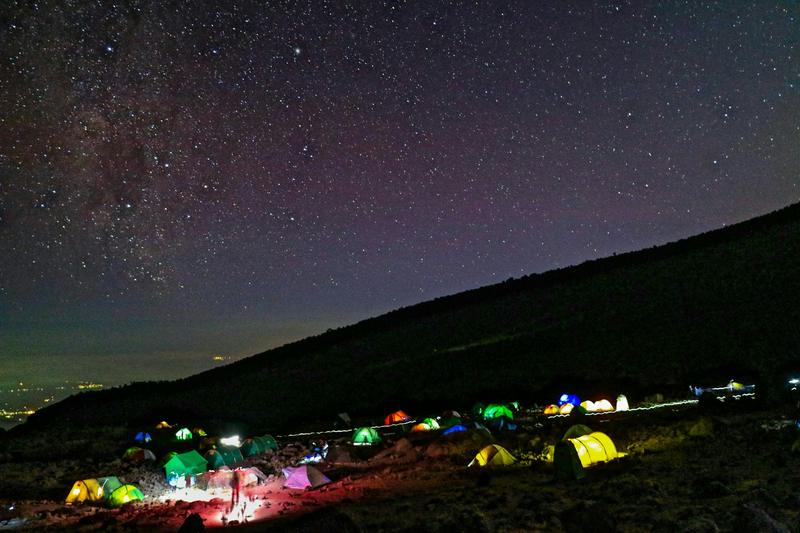
Photo: David Magalhães / Unsplash
Summit night: Into the dark, up to the dawn
The hardest and most unforgettable hours of the climb: about 1,200 m of scree by headlamp, at −5 to −20 °C, to stand on Uhuru Peak as the sun comes up.
Summit night, hour by hourWake-up at Barafu
Tea, biscuits and every layer you own. Headlamps click on and a slow line sets off under the stars.
Stella Point
You reach the crater rim as the horizon burns from indigo to amber. The hardest climbing is behind you.
Uhuru Peak
Sunrise on the Roof of Africa: glaciers glow pink, a sea of cloud below, and the famous sign is yours.
Plan your climb: Everything to sort before you go
Straight answers on money, fitness, health and gear, checked against park regulations and published sources.
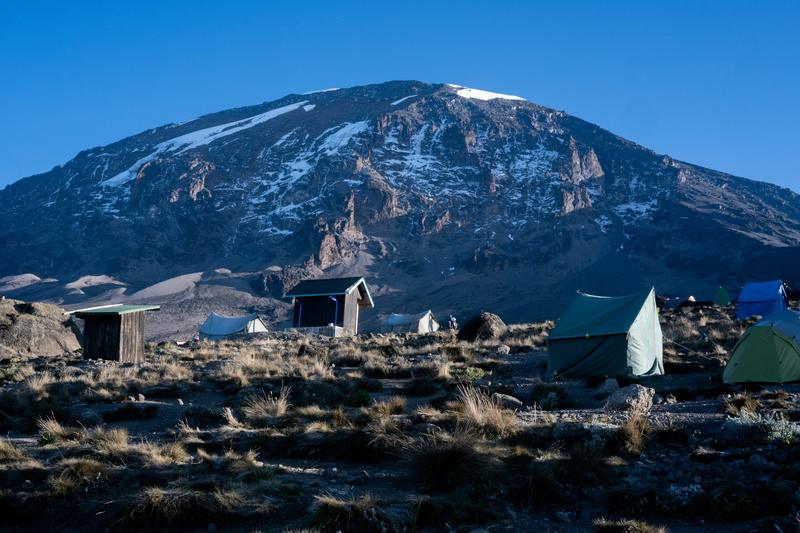
Cost & park fees
Park fees, operator prices and what is included
Park fees $800–$1,300
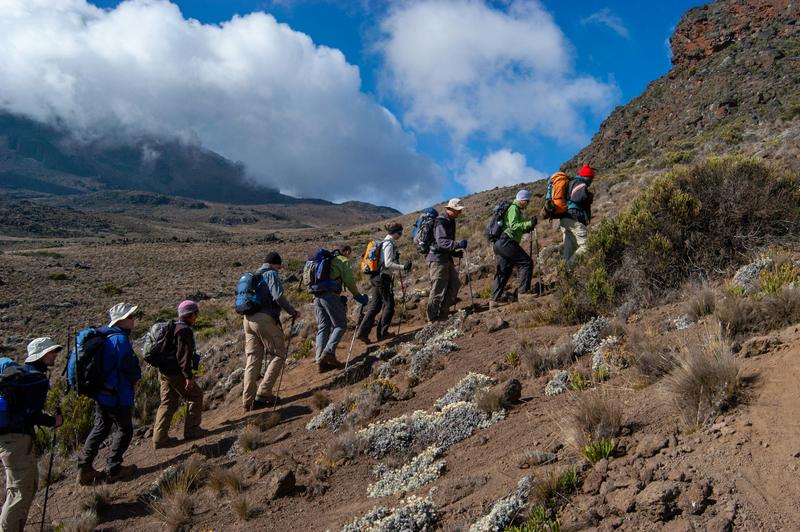
How hard is it?
Altitude, terrain and who can do it
No ropes, just altitude
Training plan
A 12-week plan to get trail-fit
12-week plan
Altitude sickness
Symptoms, prevention and when to descend
About 50% oxygen at the top
Packing list
An interactive checklist, layer by layer
51 items, layer by layer
Tipping
Fair tips for guides, cooks and porters
$250–$400 per climber
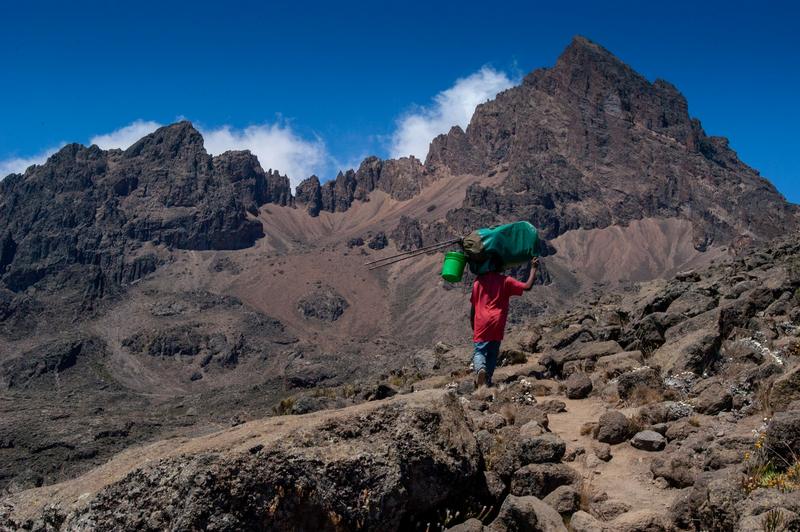
Photos: Daniel Vargas, Crispin Jones, Kristoffer Darj and Tom Cleary / Unsplash
Kilimanjaro FAQ: Top questions, straight answers
The five things almost everyone asks before booking a Kilimanjaro climb.
How hard is it to climb Kilimanjaro?
The walking is moderate; the altitude is the real test. Most days are 4–7 hours at a gentle pace, but summit night means 11–15 hours on foot in freezing cold with about half the oxygen of sea level. Ordinary, reasonably fit people summit every day. The biggest factor in success is giving your body enough time to adjust.
Do I need climbing experience?
No. Kilimanjaro is a trek, not a technical climb: no ropes, crampons or mountaineering skills are needed on any standard route. The Barranco Wall involves some easy hands-on scrambling, and that is about it. What you do need is decent fitness, broken-in boots and enough days to acclimatize.
How long does it take to climb Kilimanjaro?
Routes take six to nine days, and longer is better. Aim for at least seven days on the mountain, ideally eight or nine: every extra day improves acclimatization and your odds of reaching Uhuru Peak, and makes the whole trek more enjoyable.
When is the best time to climb Kilimanjaro?
The two dry seasons, January–February (often into early March) and June–October, have the most reliable weather. January and February are warmer; July to September is clearer but colder at night, and busiest. April, May and November are wetter and quieter. The northern Rongai route is a good choice in the rains.
How much does it cost to climb Kilimanjaro?
With a reputable operator, expect roughly $2,200–$3,500 per person for a mid-range climb, and more for small premium groups. Park fees alone are about $800–$1,300, normally included in the price. Budget extra for flights, a visa, insurance, gear and crew tips of around $250–$400 per climber, and be wary of very cheap quotes.
Your summit is waiting
Start with the route that fits your days, your budget and your sense of adventure. The mountain will do the rest.
Independent and data-driven: trail lines from OpenStreetMap, elevation from SRTM, facts checked against Tanzania National Parks and published sources. Last reviewed .Our data and sources
Photo: Sergey Pesterev / Unsplash